Melaleuca Hosts Hope Squad Conference to Strengthen Youth Suicide Prevention
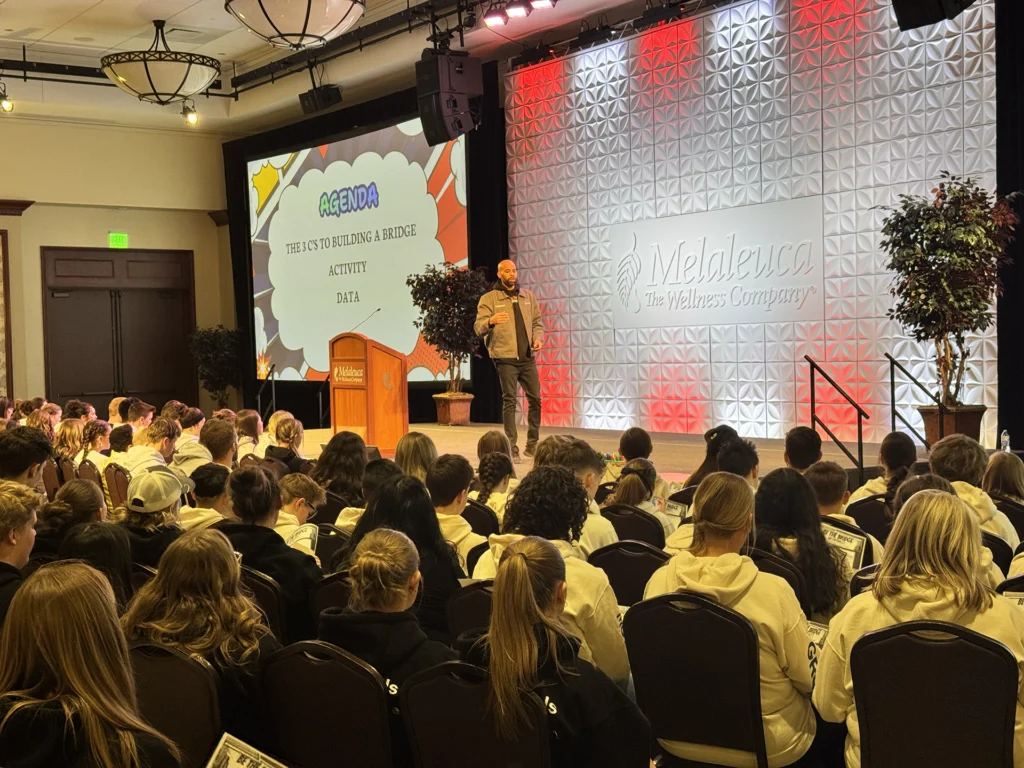
Students from across Idaho gathered at the Melaleuca Global Headquarters Event Center for the Hope Squad Leadership Conference, a day-long event focused on strengthening youth suicide prevention through student leadership and peer support. This marks the third that year Melaleuca has hosted the Hope Squad Leadership Conference, reflecting the company’s ongoing commitment to supporting youth mental health and community well-being.
Fifteen high schools were represented, with student leaders, educators, and adult advisors traveling from across Eastern and Southern Idaho to the Melaleuca Global Headquarters Event Center. The conference provided training to help students learn how to recognize warning signs of suicidal ideation, respond with care, and connect peers to trusted adults.
Supporting youth wellness and strengthening communities aligns with Melaleuca’s mission to enhance lives and make a meaningful difference where it operates. Efforts like this reflect a growing focus across the country on equipping students to support mental health and prevent suicide.
“These students are doing something remarkable,” said Melaleuca Vice President of Public Relations Tony Lima. “They are learning how to recognize when a friend is struggling and respond with care. We’re proud to support this conference and encourage these young leaders who are making a difference in their schools and communities.”
Hope Squad’s Peer-to-Peer Model Saves Lives
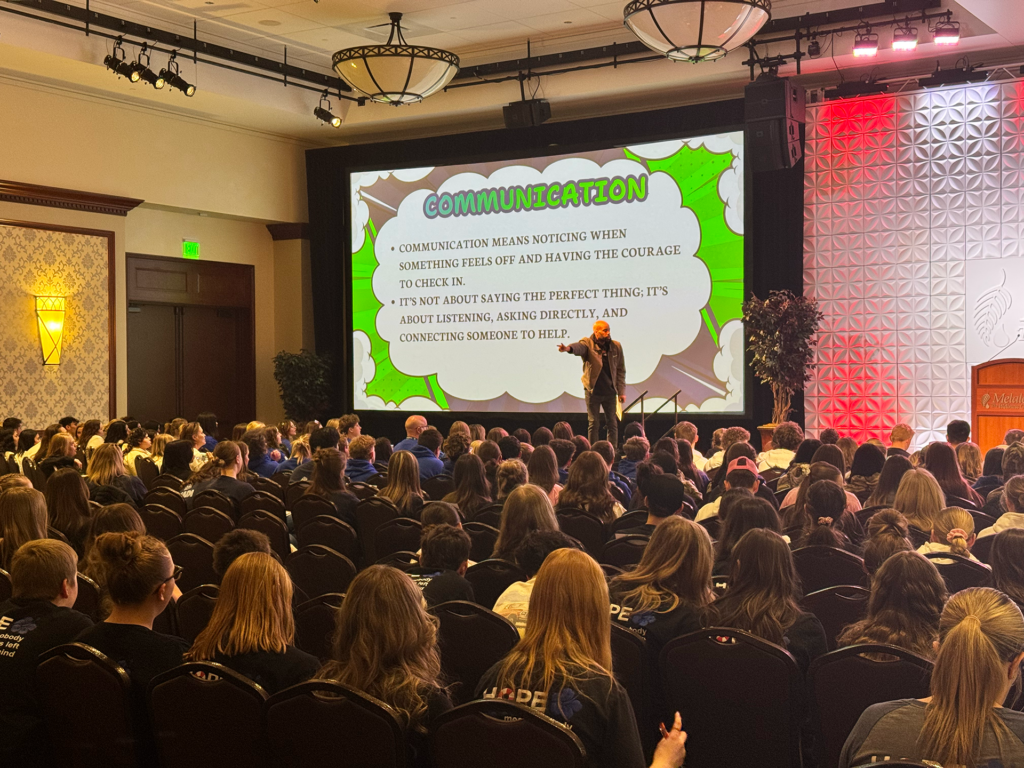
At the center of the conference is Hope Squad, a peer-to-peer suicide prevention program founded in 2004 by Dr. Gregory A. Hudnall, a former high school principal and assistant superintendent in Provo, Utah.
The program is built on a clear understanding that students are often the first to notice when something is wrong. Hope Squad trains selected student leaders to identify signs of distress, offer support, and guide their peers to help. This approach strengthens school communities and helps create a culture where students actively look out for one another and connect peers to support when it matters most.
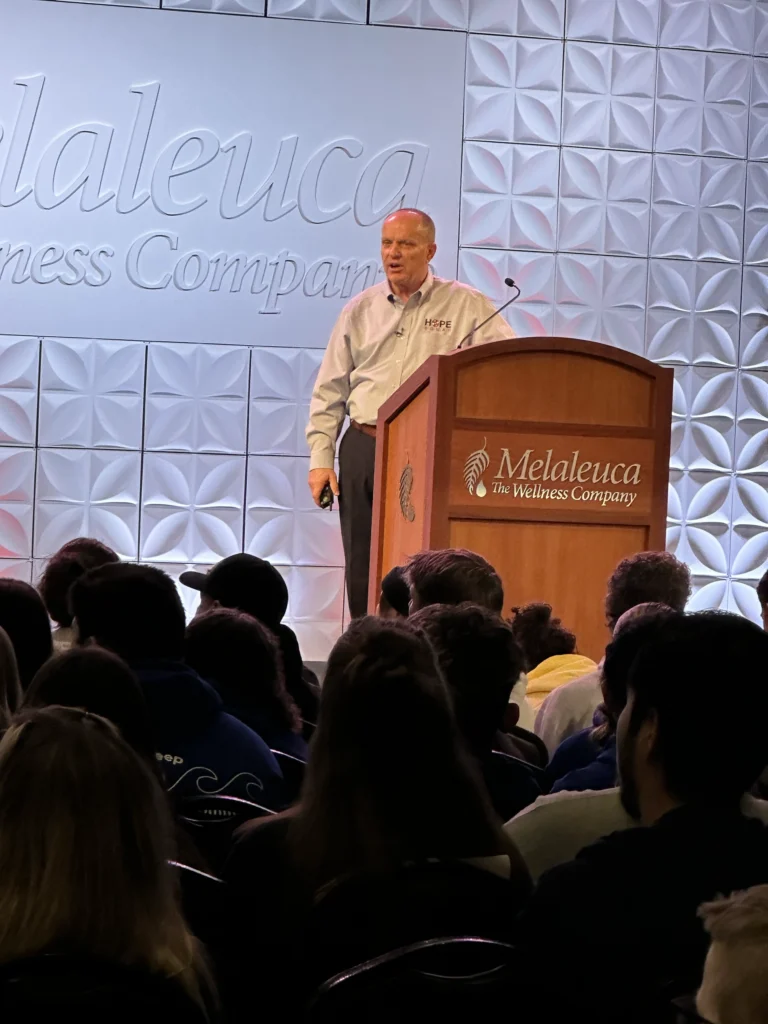
A Personal Loss Led to Action
For Dr. Hudnall, this work began with profound loss.
“I lost five students to suicide as a principal and made a vow that I would do everything I could to help prevent it,” he said.
That commitment deepened after a moment that revealed a critical gap.
“We had a young man walk into Provo High School, take his watch off, and give it to his best friend. He said, ‘I’m not going to need this after tomorrow.’ He then told five other friends he was going to end his life, and not one of them told an adult,” Hudnall said. “And he did… It devastated our community.”
These experiences shaped a new approach to suicide prevention, one that equips students to act when their peers are struggling.
Hope Squad’s model focuses on early identification, peer support, and connection to trusted adults, all of which are key factors in preventing suicide.
Measured Impact Across Schools
The impact has been both meaningful and measurable.
In Provo, schools experienced one to two student suicides each year over more than a decade. After implementing Hope Squad, that trend changed.
“We went from losing students to suicide to going nine years without one,” Hudnall said.
Timpview High School, once among the most affected, has now gone more than 22 years without losing a student to suicide, according to Hudnall.
Hope Squad is now active in more than 2,100 schools across 47 states and continues to expand internationally. Its success is rooted in a simple principle: students helping students, supported by trusted adults.
Growing Hope in Eastern Idaho
The Hope Squad program was introduced in Eastern Idaho in 2018 and continues to gain momentum as more schools adopt the program. The annual leadership conference plays an important role in that growth, equipping students with the confidence and skills to support one another.
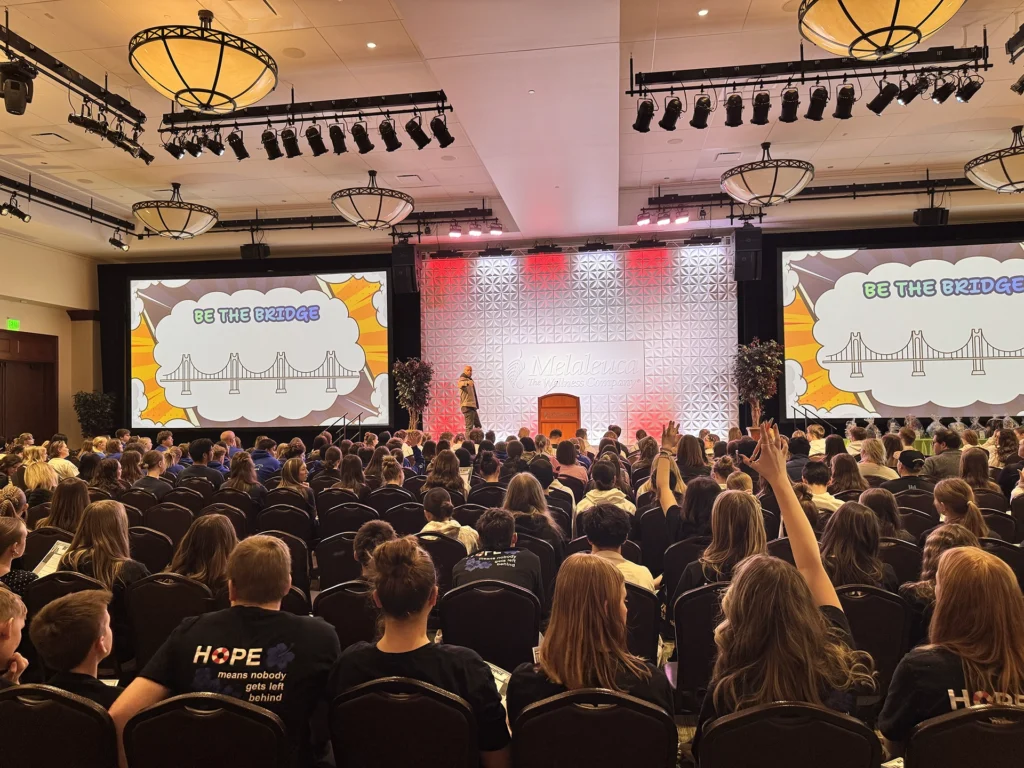
“Our dream is to build Idaho like we have Utah,” Hudnall said. “We have our work cut out for us, but there are a lot of good people.”
The impact of the day does not end when the conference concludes. Each student returns to their school prepared to notice changes in behavior, start difficult conversations, and connect friends to help. In this way, the influence of a single day extends into classrooms, hallways, and everyday moments where support is needed most.
Melaleuca hopes that its support serves as a message to these students, that their efforts matter and that they are making a meaningful difference.
As communities across the country search for effective ways to address rising youth mental health challenges, programs like Hope Squad are showing that peer connection can play a critical role in prevention.
Through these efforts, Hope Squad continues to strengthen youth suicide prevention across Eastern and Southern Idaho, helping build school communities where students feel seen, supported, and never alone. By opening its doors to efforts like this, Melaleuca affirms its commitment to investing in people and supporting programs that create lasting, life-changing impact.
Frequently Asked Questions
What is Hope Squad?
Hope Squad is a peer-to-peer suicide prevention program that trains students to recognize warning signs of emotional distress or suicidal ideation in their peers and connect them with trusted adults.
Who attended the Eastern Idaho Hope Squad Leadership Conference?
Student leaders, educators, and advisors from 15 high schools across Eastern and Southern Idaho participated in the conference.
Why is peer-to-peer suicide prevention effective?
Students often confide in their peers first. Training student leaders creates a trusted connection that helps identify risk early and guide individuals to support.