Delivering Hope to Hawaii after Hurricane Lala
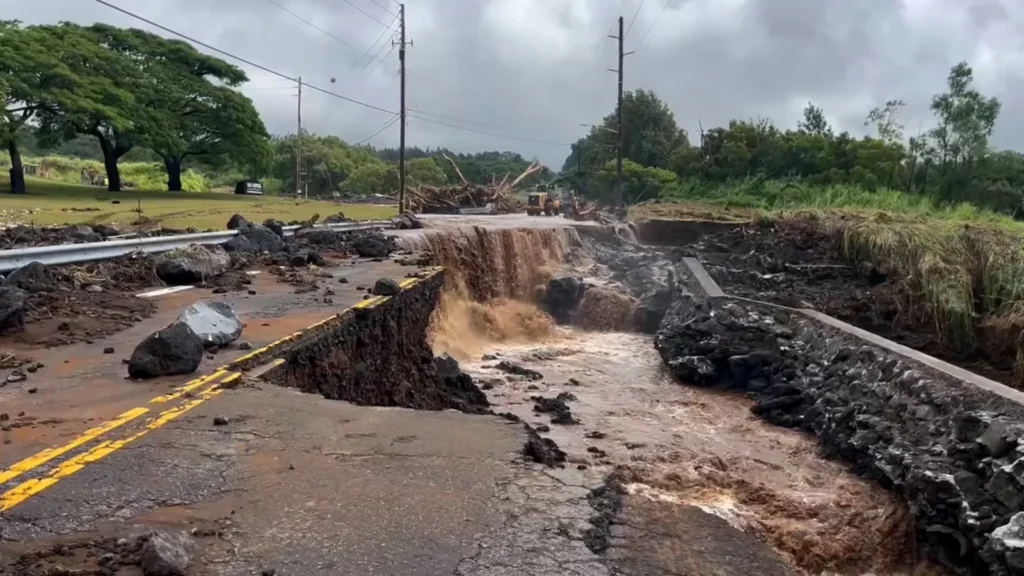
After Hurricane Lala’s severe floods and landslides tore through the southern coast of Hawaii Island, families were left without electricity, running water, or the many necessities of daily life.
Homes flooded, some swept from their foundations. Trees, boulders, and debris blocked roads and bridges, cutting rural communities off from the rest of the island.
For Melaleuca Senior Director 6 Sandy Carvalho, the images were more than scenes from a disaster. Sandy calls this area, the Kaʻū District, home. It’s where she grew up, and where her family has lived for generations.
Sandy now lives roughly two hours away in Hilo, where she teaches music at the local elementary school. In the first days after the hurricane, she and her husband, David, began gathering water, ice, lanterns, and other supplies for family members in the area.
Her brother had only one case of water left for his family. Other residents had no way to keep food cold, prepare meals, bathe, or disinfect their homes.
Sandy did what people in Kaʻū have always done: She helped her family. Then she looked around and realized how many other families needed help, too.
As the Melaleuca Foundation moved quickly to help families affected by Hurricane Lala, it partnered with Sandy, whose deep ties to Kaʻū made her uniquely positioned to reach families in the hardest-hit communities.
Melaleuca Care Packages Packed in 30 Minutes
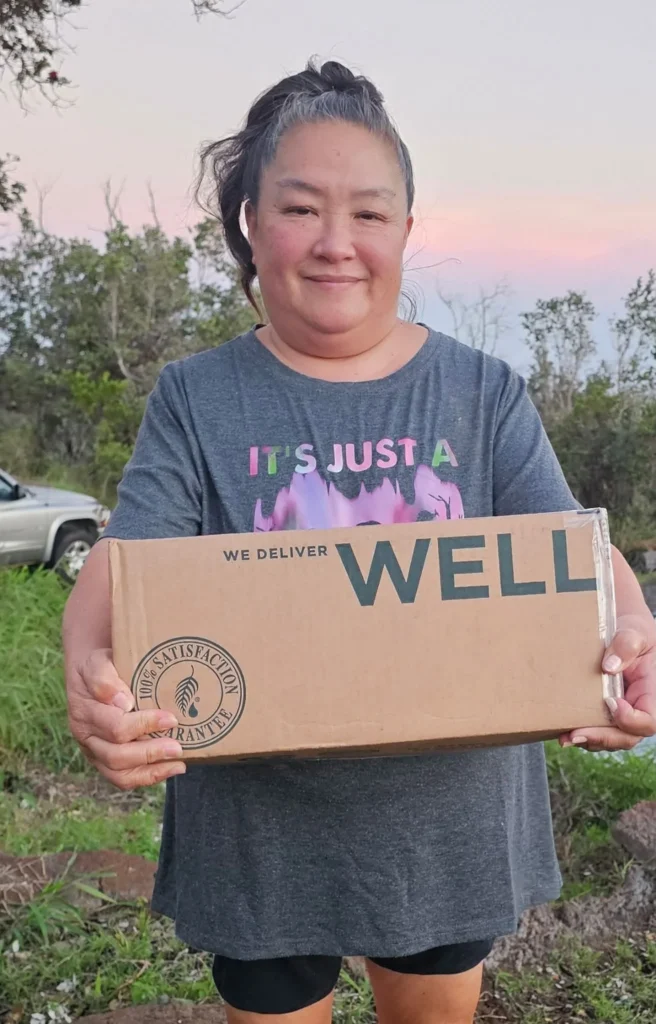
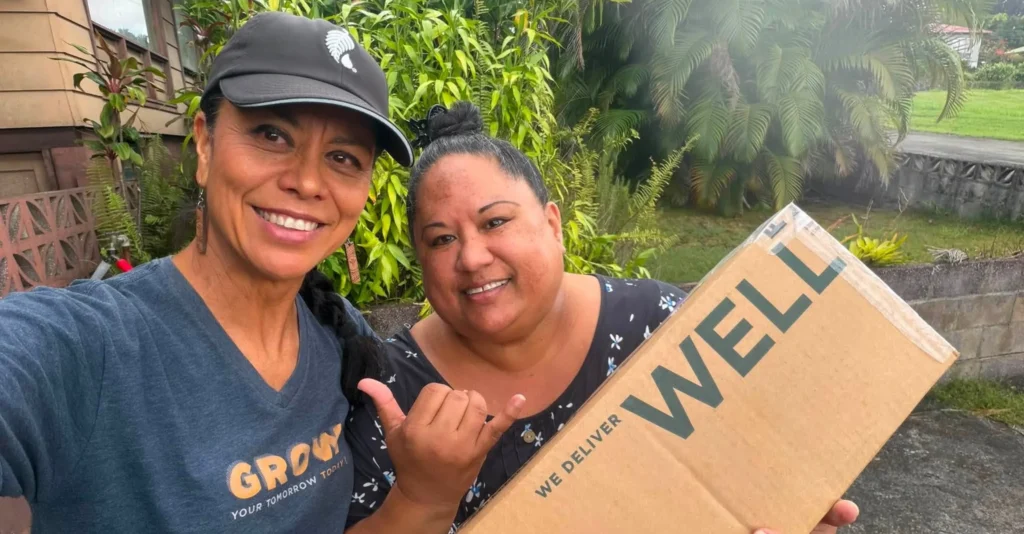
Sandy identified 15 Melaleuca customers living within the Kaʻū District who had been seriously affected by the storm.
Getting supplies to them would not be as simple as placing boxes in the mail. Most residents receive mail at post office boxes rather than at their homes, and damaged roads made delivery throughout the district less than certain.
Despite the obstacles, after the Melaleuca Foundation gave the green light, Melaleuca Hawaii’s facility manager, Kahala Pazsoldan, and her team sprang into action with only 30 minutes before the shipping cutoff. They gathered the products, packed 15 individual care packages and prepared them to ship that same day.
Each box contained Melaleuca products specifically selected for the conditions families were facing. This included Riverbend Ranch Beef Sticks, Proflex Protein Bars, Sustain Sport sticks, Simply Fit snack bars, Gold Bars, herbal shampoo, deodorant, Koala Kubs baby wipes and Clear Defense hand sanitizer.
When the power is out and there is no clean water or way to cook, those seemingly ordinary items become critically important.
The care packages arrived on Hawaii Island the following day. By Friday morning, Sandy and David had loaded the boxes and were on the road.
One recipient gratefully told Sandy that the Sustain Sport electrolyte drink had helped her maintain her energy through the long days of cleanup.
Sandy’s niece told her, “Auntie, the Riverbend Ranch Beef Stick was all I had for the whole day.”
“You have to have something readily available,” Sandy said. “Those kinds of things were so needed, and people were so appreciative.”
Going Where the Mail Could Not
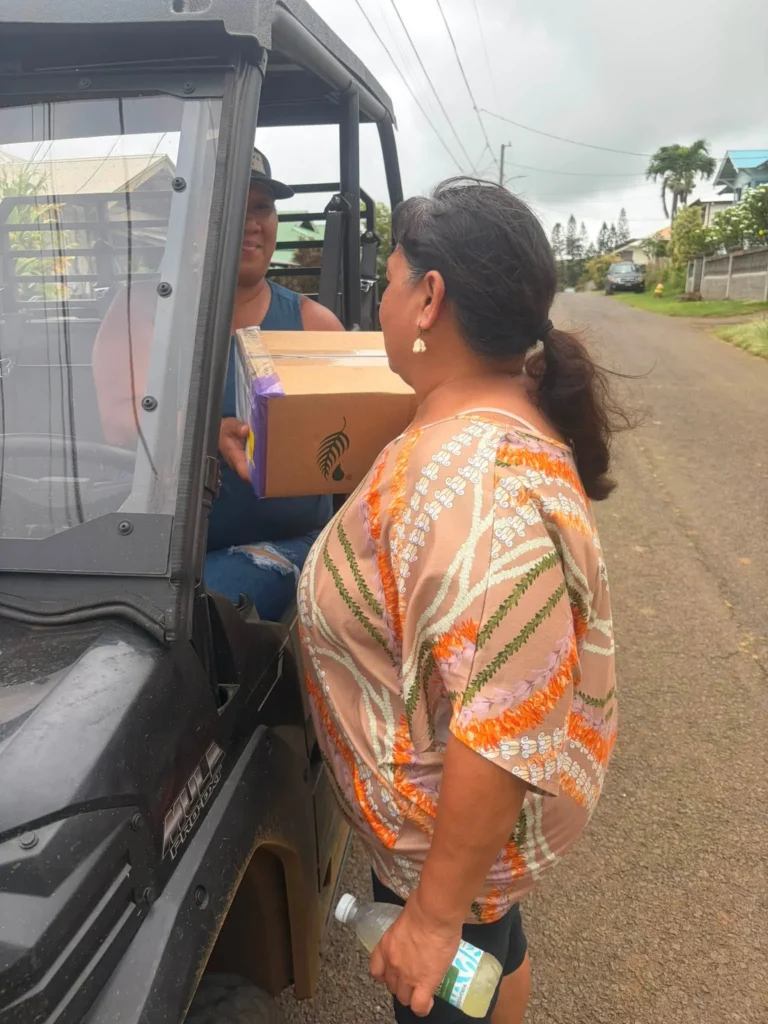
Delivering the boxes required patience, persistence, and a working knowledge of an area where addresses are often more descriptive than official.
In the days immediately after the storm, residents of Pāhala were trapped by damaged and blocked roads. Six bridges between Pāhala and Nāʻālehu had been affected, making travel through the district impossible.
A drive that would normally take Sandy about 90 minutes took three hours.
By the time she and David delivered the Melaleuca care packages, crews had restored limited access from the Hilo side of the island. They stopped first in Pāhala, continued to Nāʻālehu, and then worked their way toward Waiʻōhinu.
The drive alone made clear how large Kaʻū is—the largest district in Hawaii County. Still, Sandy and David reached all 15 families. Everywhere they went, they saw tremendous damage and tremendous gratitude.
“Although it was a sobering time, with all the devastation, it was also very uplifting because of what we were privileged to do,” David said. “We’re very thankful.”
The families did not know Sandy and David were coming with help. Some laughed that they had not even brushed their hair. Mostly, they couldn’t believe someone had driven all that way to find them.
“They were just so grateful,” Sandy said. “They couldn’t get over how Melaleuca helped.”
She knew that waiting for traditional mail during a disaster meant people might go without essential supplies for weeks.
“We are real people, real customers, and a real community that can be forgotten because it is so far out in the country,” Sandy said.
But beyond the physical supplies, showing up on the ground, in person, sent a clear signal to everyone in Kaʻū: they had not been forgotten.
A Community Accustomed to Helping Its Own
Kaʻū is rural, close-knit, and deeply connected to the land. There are no traffic lights, and some communities have only one store or one gas station. Many residents fish, hunt, farm, and depend on family networks that have supported one another for generations.
“Families help families,” Sandy said.
But Hurricane Lala has tested what even those strong family networks can manage on their own.
Some homes lack electricity and running water. Roads and bridges require extensive repairs, and the local school needs major work before it can reopen.
“It’s not our culture to go and ask,” she said. “We take it upon ourselves. But this is huge.”
For a district built on families helping families, the Melaleuca Foundation showed up less like an outside organization and more like an extension of that same culture—another set of hands, ready before being asked.
A Broad Response to Hurricane Lala on the Big Island
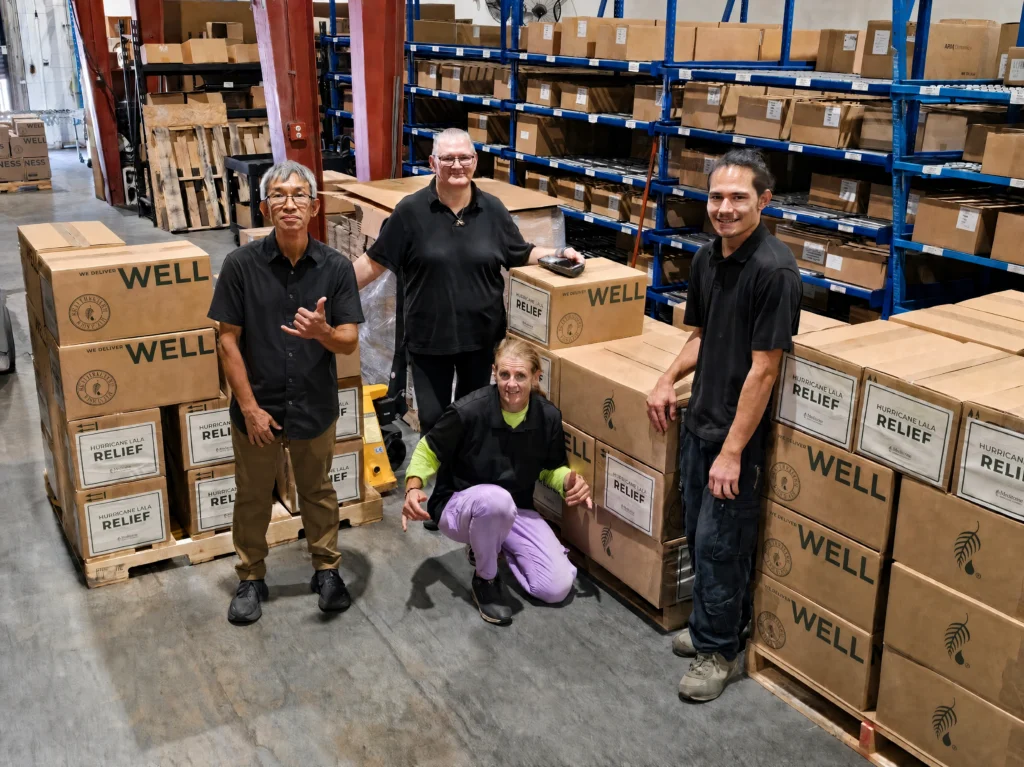
The 15 care packages were one part of a broader Melaleuca Foundation response to Hurricane Lala.
At the same time, the Melaleuca Foundation worked with local leaders and community organizations to expand assistance throughout the affected areas, committing more than $22,000 in products and supplies for families, first responders, volunteers and others helping with the recovery. Working with the Hawaiʻi County Mayor’s Office and the nonprofit Vibrant Hawaii, the Melaleuca Foundation sent 62 boxes, each weighing 35 pounds, of Melaleuca products to Hilo. From there, Hawaii National Guard members helped distribute the products through community hubs across the southern end of Hawaii Island, helping reach hundreds of families.
Behind the scenes, Hawaii National Guard Major Keoki Long, who was walking the affected areas alongside the Governor and Lieutenant Governor, worked to ensure the products reached those with the most significant need. Staff Sergeant Nellie Towata helped confirm the products were secured once they arrived.
This is not the first time Melaleuca has answered a call from Hawaii. Earlier this year, Melaleuca stood with families on Oʻahu’s North Shore after devastating flooding, and in 2023 the company delivered cash, food, generators and relief supplies after the Maui wildfires.
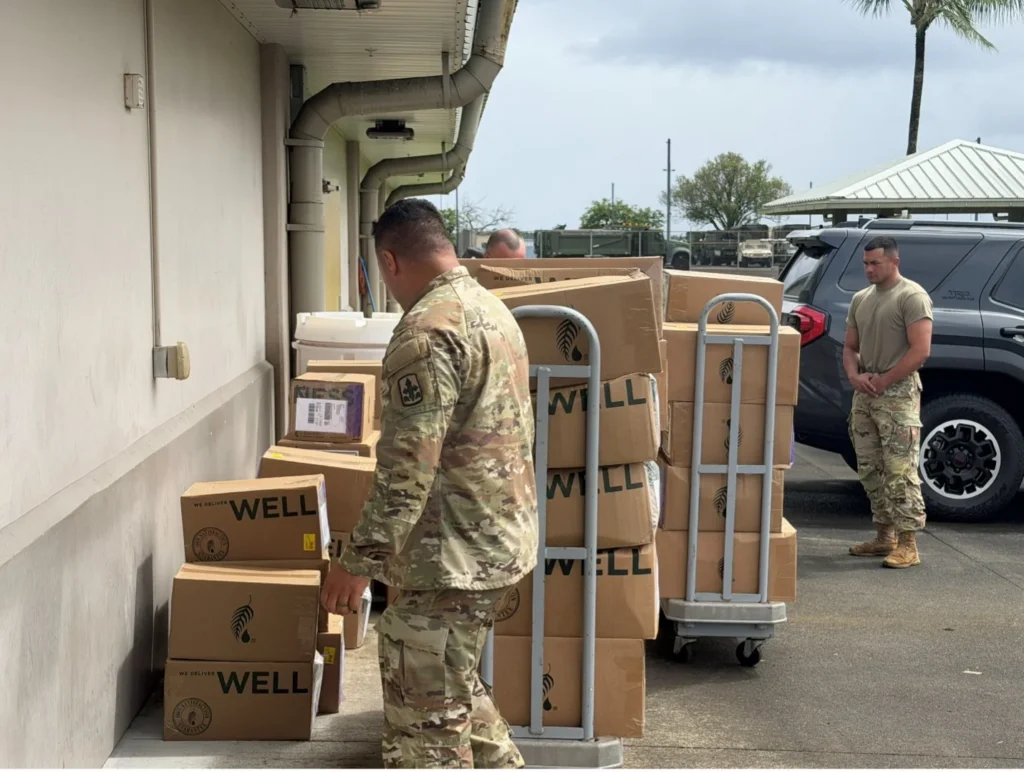
Helping Those Who Are Removing Debris, Mucking out Homes
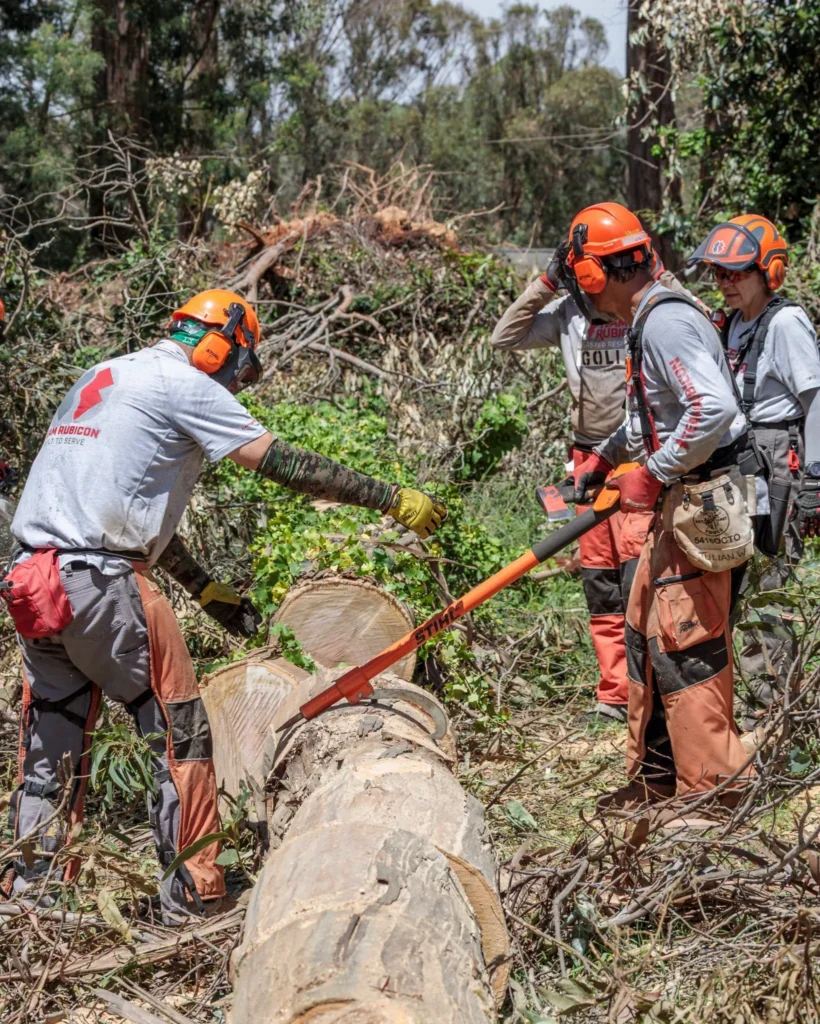
The Melaleuca Foundation also prepared care packages for volunteers with Team Rubicon, a nonprofit disaster-response organization whose teams deploy into communities after disasters to do some of the hardest physical work of recovery.
In Kaʻū, those volunteers have been clearing fallen trees and heavy debris, removing mud from homes, tarping roofs, tearing out damaged materials and helping make properties safe enough for families to begin rebuilding. While this work rarely makes headlines, nothing else can start before it’s complete.
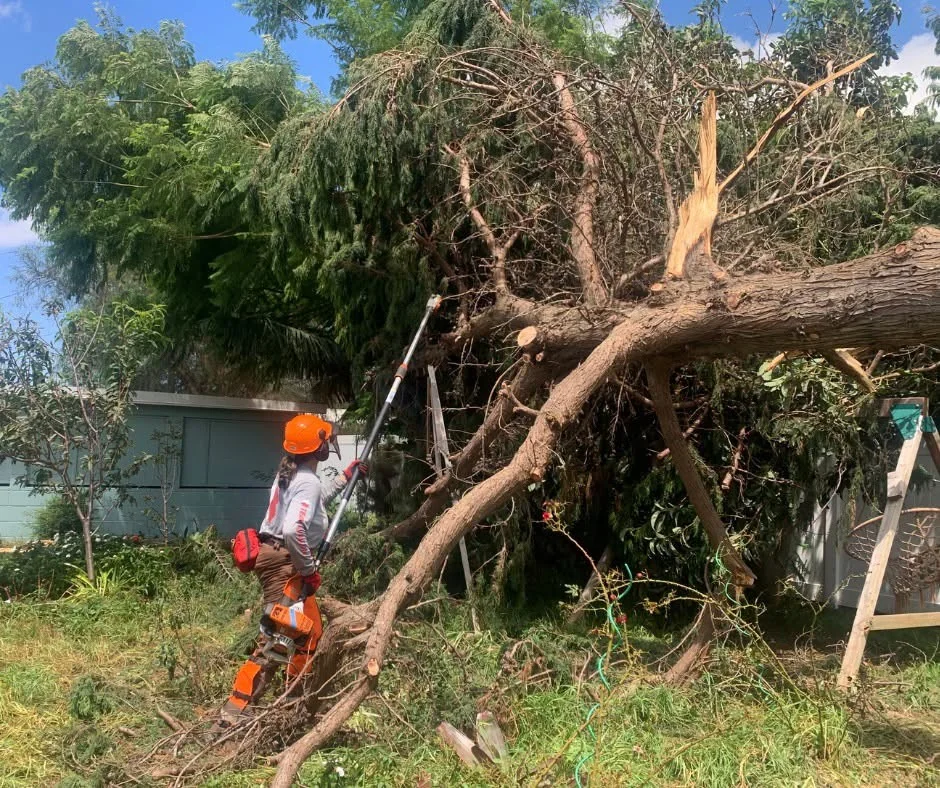
To help keep that work moving, Melaleuca Team Members on Oʻahu purchased several Stihl replacement chains for Team Rubicon’s chainsaw crews, along with care packages to help volunteers stay fueled and hydrated during long days in the field.
The work is demanding, and the recovery is far from finished.
“Many of the people who were hit hardest are kūpuna, our elders, who are deeply respected in Hawaiian families and communities,” said Corinne Allain, Team Rubicon manager. “They simply can’t do this kind of intense physical work on their own. Melaleuca’s support came at the right time, and the products are exactly what they need right now. Knowing that someone is also looking out for the hardworking volunteers doing the work means more than you might realize.”
But through partnerships with people on the ground, local organizations and volunteers, the Melaleuca Foundation has been able to move assistance quickly to where it can do the most good.
Melaleuca Showed Up and Said Yes
Although Sandy has donated monthly to the Melaleuca Foundation, she never imagined that her own hometown would one day be on the receiving end of that generosity.
She also understands why some families struggle to accept help, even after losing nearly everything.
“It’s hard to be on the receiving end,” she said. “I’m so grateful there are people who care, because it goes a long, long way.”
No one person could meet every need in Kaʻū. But working together, families, volunteers, community partners and the Melaleuca Foundation could reach far more people.
For Sandy, being able to help the people that shaped her life was something she’ll never forget.
“I just feel so blessed that, with Melaleuca’s support, I could help my friends, my family and the community I still call home when they needed it most.”